
When to Go to the Emergency Room
Chest pain, a bad fall, a deep cut — how do you know when it can't wait until morning? A practical guide to the warning signs that mean come in now.
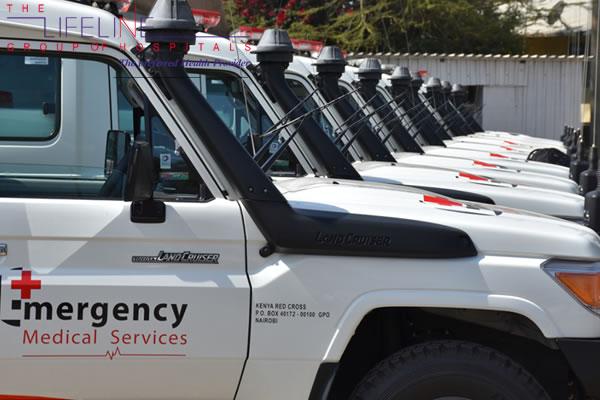
Almost everyone faces that moment of uncertainty: a symptom that feels wrong, at an hour when no clinic is open. Is this an emergency, or can it wait until morning? It is never a comfortable decision to make alone. At The Lifeline Group of Hospitals, our emergency department runs 24 hours a day, every day, at both our Kahawa Wendani and Membley branches — and we would always rather see you and send you home reassured than have you wait at home with something serious.
Come in immediately if you notice these signs
- Chest pain or pressure that does not pass within a few minutes, especially if it spreads to the arm, jaw or back
- Difficulty breathing, or breathing that is fast, noisy or getting worse
- Sudden weakness or numbness on one side of the body, a drooping face, or slurred speech — possible signs of a stroke
- A seizure, or any loss of consciousness
- Severe bleeding that does not stop with firm pressure
- Serious injuries — road accidents, falls from a height, deep wounds or large burns
- A sudden, severe headache described as the worst ever experienced
- In babies and small children: persistent vomiting or diarrhoea with signs of dehydration — no tears, a dry mouth, or far fewer wet nappies than usual
When a same-day visit is usually enough
Not every worrying symptom is an emergency. A fever without red-flag signs in a healthy adult, a mild sprain, a small cut that stops bleeding, or a stomach upset that still allows drinks and rest can usually wait for a booked consultation — the same day, rather than a midnight dash. If you are unsure where your situation falls, call us. Our team can help you judge over the phone whether to book a normal appointment or come straight in.
What to bring — and what not to worry about
Bring your ID, any insurance card, and a list of the medicines the patient takes, if you have them to hand. But never delay arrival to gather paperwork — treatment can begin first and questions can be sorted afterwards. If someone else is driving you, our teams at both branches receive incoming cases around the clock, with the laboratory, imaging and operating theatres on site so testing continues without a referral elsewhere.
The decision you will never regret is coming in and being told everything is fine. The signs above are the ones our emergency teams see most — knowing them in advance turns a frightening hour into a clear plan.
Lifeline Clinical Team
The Lifeline Group of Hospitals — Kahawa Wendani & Membley, Nairobi
Continue Reading
More plain-language guides from the Lifeline clinical team.
 Maternal Health6 October 2026Antenatal Visits: A Trimester GuideWhat happens at an antenatal visit, how often you should come, and the tests worth doing at each stage — a plain-language guide for expectant mothers.Read article
 Laboratory22 September 2026Blood Tests Explained: Your CBC ResultsThe complete blood count is one of the most requested tests in our laboratory. What each line of the report means — and why doctors order it so often.Read article
 Heart Health8 September 2026High Blood Pressure: What to KnowMost people with high blood pressure feel perfectly fine. What the numbers mean, the habits that protect your heart, and when it becomes an emergency.Read article
Ready to Take the Next Step?
Your health can't wait. Book an appointment today and experience world-class care, close to home.