
Fever in Children: When to Worry
Fever is the body's defence, not a disease in itself. How to keep your child comfortable at home — and the signs that mean it is time to see a doctor.
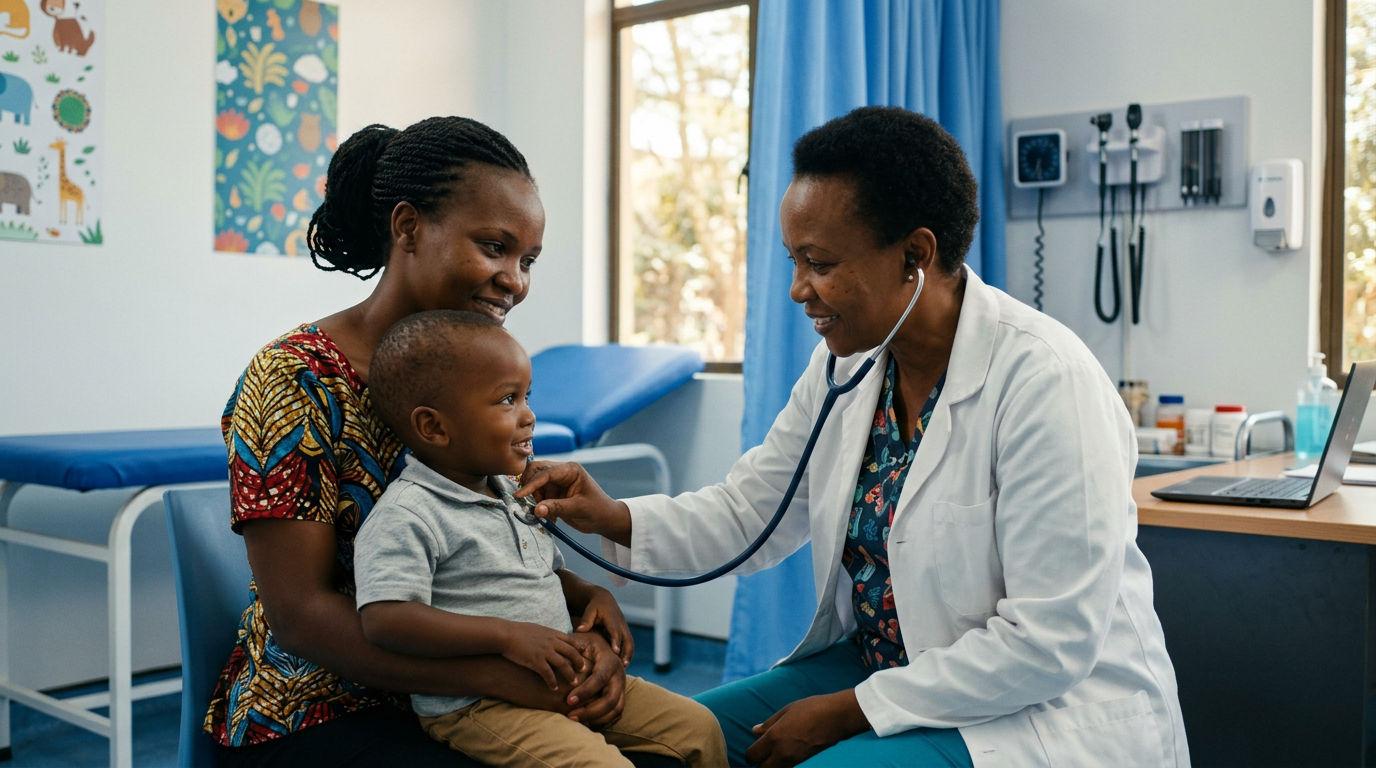
Few things bring parents to our doors at 2 a.m. like a hot forehead. The reassuring truth is that fever is the body's defence working as designed, not a disease in itself — with ordinary childhood infections, it is part of the fight, not the enemy. The real skill is knowing when a fever is part of an ordinary course and when it is waving a red flag.
When home care is reasonable
If your child has a temperature of about 38°C or above, is still drinking, responds to you normally, and has no red-flag signs (below), a quiet day at home with careful watching is a reasonable plan. Fevers from common viral infections typically settle within two to three days.
Keeping your child comfortable
- Offer fluids often — small sips of water, diluted juice or breast milk. Children lose a lot of fluid with fever
- Dress them lightly; a couch and a blanket they can shed beats heavy layering that traps heat
- Paracetamol given by weight, at the right dose and interval, eases discomfort — our team or pharmacist can advise on dosing
- Never give aspirin to a child
- Let them rest, but a child who wants to play is a good sign — vigorous play is fine
Bring your child in right away if
- They are under three months old with any fever at all — this is always a see-a-doctor-now situation
- The fever lasts more than three days, or keeps returning
- A seizure, stiff neck, unusual drowsiness, or difficulty breathing
- They refuse all drinks, cannot be comforted, or cry without tears and have a dry mouth — signs of dehydration
- You notice a rash that does not fade when pressed
- The fever follows recent travel, contact with someone seriously ill, or suspected contaminated water or food
Our paediatric clinic runs alongside the 24-hour laboratory, so a fever workup — examination, blood tests where needed, and a clear plan — happens in one visit. And because children do not schedule their illnesses, we are open every hour of every day.
Lifeline Clinical Team
The Lifeline Group of Hospitals — Kahawa Wendani & Membley, Nairobi
Continue Reading
More plain-language guides from the Lifeline clinical team.
 Emergency Care20 October 2026When to Go to the Emergency RoomChest pain, a bad fall, a deep cut — how do you know when it can't wait until morning? A practical guide to the warning signs that mean come in now.Read article
 Maternal Health6 October 2026Antenatal Visits: A Trimester GuideWhat happens at an antenatal visit, how often you should come, and the tests worth doing at each stage — a plain-language guide for expectant mothers.Read article
 Laboratory22 September 2026Blood Tests Explained: Your CBC ResultsThe complete blood count is one of the most requested tests in our laboratory. What each line of the report means — and why doctors order it so often.Read article
Ready to Take the Next Step?
Your health can't wait. Book an appointment today and experience world-class care, close to home.